
Posted on

Grooming Basics: Brush, Nails, Bath — A Simple Routine

Petvya hero grooming

A manageable grooming routine is better than an ambitious one you dread. Start with short, calm sessions and tools appropriate to your pet’s coat and size. Grooming should help you notice changes and keep your pet comfortable; it should not become a wrestling match. This guide offers a simple framework to discuss with your groomer or veterinarian.

Brush: make small sessions normal

Choose a brush suited to the coat rather than the most elaborate tool on the shelf. Let your pet investigate it, then begin with a few gentle strokes in an area they tolerate. Reward relaxed behaviour and finish before frustration builds. Check the skin as you go, and avoid pulling through stubborn tangles.

A professional groomer can demonstrate the right technique for a difficult coat. Do not cut close mats out with household scissors: skin can be caught underneath. If you find soreness, a new lump or irritation, seek advice instead of repeatedly working over the area.

Nails: prepare before trimming

Practise comfortable paw handling separately from nail care. Keep sessions short and use an appropriate tool. If you cannot identify a safe trimming point, ask a professional to demonstrate; cutting too far can hurt and bleed. There is no prize for finishing every nail in one sitting.

Keep equipment clean and put it away safely. Stop if your pet becomes distressed. A vet or groomer can help build a gradual plan rather than forcing an uncomfortable procedure.

Bath: organise the space

Have towels and a pet-appropriate shampoo ready before you start. Follow the product instructions, use comfortable water and provide secure footing. Rinse carefully and dry in a way your pet tolerates. Bathing frequency depends on the animal, coat and skin needs, so ask your vet if you are unsure.

Keep a tiny grooming kit

A suitable brush, clean towel and correctly chosen nail tool are often a better beginning than a cupboard of products. Store them together and note which routines your pet finds easiest. Make changes one at a time so you can tell what helps.

For cats and dogs alike, painful skin, persistent scratching or sudden changes in grooming behaviour warrant professional advice. Thoughtful equipment supports care; it does not diagnose or treat an underlying condition.

Further reading: ASPCA grooming guidance.
Posted on

Why Your Cat Needs a Water Fountain

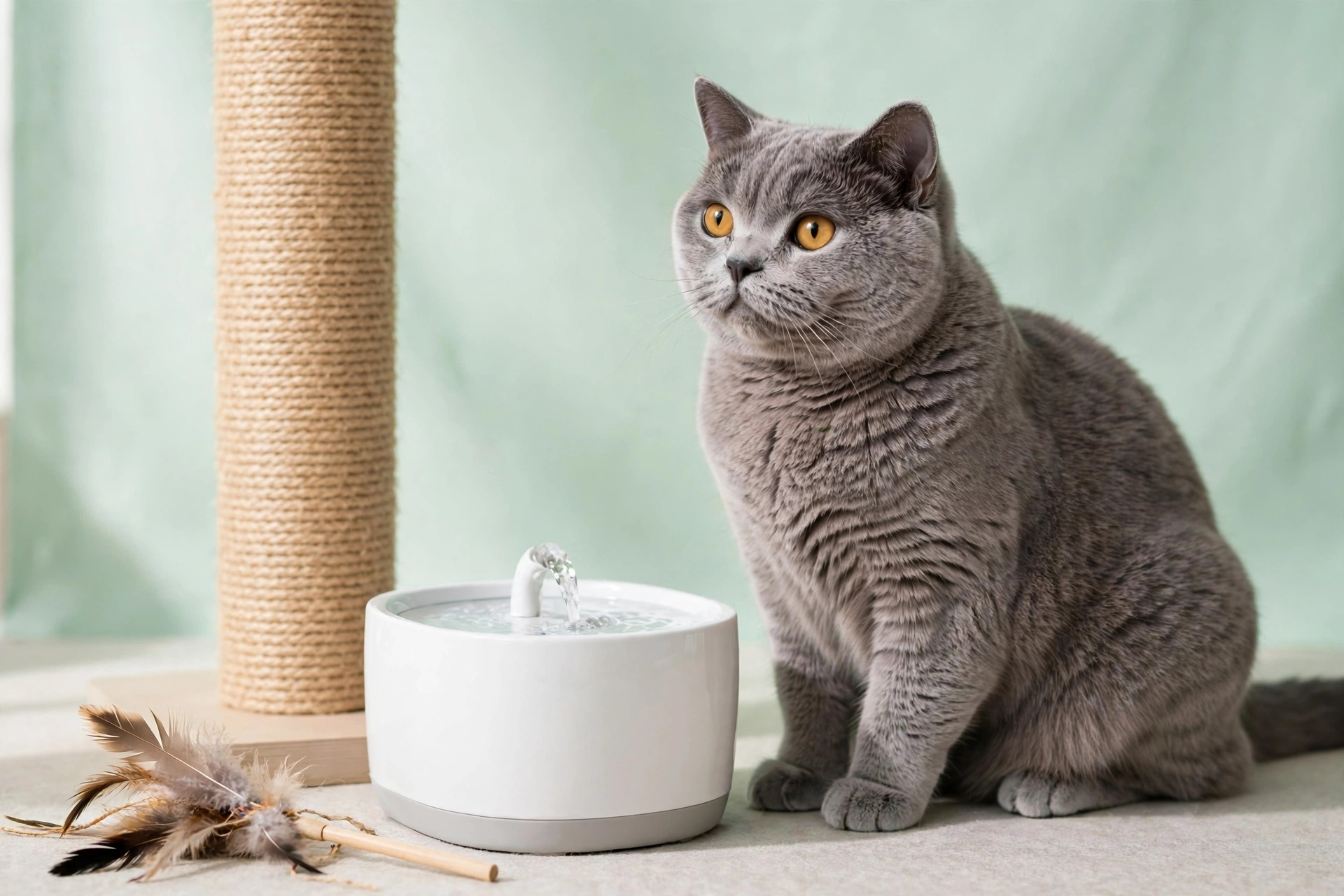
Petvya panel cats

A water fountain can be a useful addition to a cat-friendly home, but the honest answer is that not every cat needs one. Some enjoy moving water; others prefer a simple bowl. The goal is convenient access to fresh water, not buying a gadget for its own sake. Here is how to decide whether a fountain fits your cat and your routine.

Watch before you shop

Notice where your cat already chooses to drink. Does a quiet corner seem more inviting than a busy hallway? Is the bowl easy to approach? Try improving the location and refreshing the water before assuming the container is the problem. Keep an ordinary bowl available even if you add a fountain.

Choose for daily maintenance

A fountain is only convenient if you can comfortably take it apart and clean it. Look for accessible surfaces, clear cleaning instructions and replacement parts you can actually obtain. Consider the ongoing cost of filters as well as the initial price. Check the reservoir level regularly rather than relying on the sound of the pump.

Introduce it gently

Put the fountain somewhere stable and let your cat investigate without pressure. A noisy motor or unfamiliar splash may take some getting used to. Do not remove your cat’s usual water source to force a preference. If the new setup is ignored, that is useful information, not a failure.

Think beyond the appliance

Water intake is influenced by more than a fountain. Food and individual health needs matter too. Your veterinarian can advise you about diet and hydration for your particular cat. A fountain is not a treatment for urinary or kidney disease, and marketing claims should never replace that advice.

Make a realistic checklist

Before ordering, write down the space available, your cleaning routine, the cable route and the filter budget. Keep electrical cords protected from chewing and use the device exactly as its manufacturer instructs. For homes with several cats, consider whether every animal has comfortable access to water.

If drinking habits change suddenly, contact your veterinarian rather than simply changing accessories. A well-chosen fountain can support a pleasant routine, but a clean bowl that your cat happily uses remains a perfectly worthwhile choice.

Further reading: Cornell Feline Health Center on hydration.

Posted on

Winter Dog Care: 7 Essentials for Canadian Winters

Petvya dog collection hero

A Canadian winter walk can be a lovely part of your dog’s day, but a good routine starts before you reach the door. Plan for your own dog rather than copying another household: size, coat, age, health and enthusiasm all influence what feels comfortable. These seven essentials are a practical starting point, not a substitute for veterinary advice.

1. A weather check

Look at conditions along your route, not just the temperature on your phone. Wind, wet snow and slippery paths can change your plans. Choose a shorter outing when needed and turn back if your dog appears uncomfortable.

2. A suitable coat

Some dogs benefit from another layer. A coat should allow normal movement and toileting without rubbing. Introduce it indoors first, reward calm behaviour and check the fit again over time. Ask your vet about individual needs.

3. Paw protection

Check paws after walks and gently remove snow or road residue. If you try boots, practise with short sessions at home rather than expecting a full walk immediately. Keep a towel near the entrance so the routine is easy.

4. Reliable walking equipment

Inspect clips, stitching and your leash before leaving. Choose a route you can navigate safely in winter footwear. Reflective details can help visibility, but they do not replace attention at crossings or a secure leash.

5. A dry resting spot

After the outing, offer a comfortable place away from draughts. Keep spare washable bedding ready so a damp bed can be replaced without disrupting your dog’s favourite resting place.

6. Indoor enrichment

Shorter walks do not have to mean a boring day. Try a gentle training session, a supervised food puzzle or a familiar search game. Choose toys suited to your dog and put damaged pieces aside.

7. A flexible plan

Keep your vet’s contact details handy and know when to abandon the schedule. Shivering, reluctance to continue or a change in behaviour deserve attention. Avoid antifreeze and other winter chemicals, and seek prompt veterinary advice after a suspected exposure.

You do not need every winter accessory at once. Start with what your dog actually uses, check it regularly and build a calm, repeatable routine around your local conditions.

Further reading: ASPCA cold-weather safety guidance.